

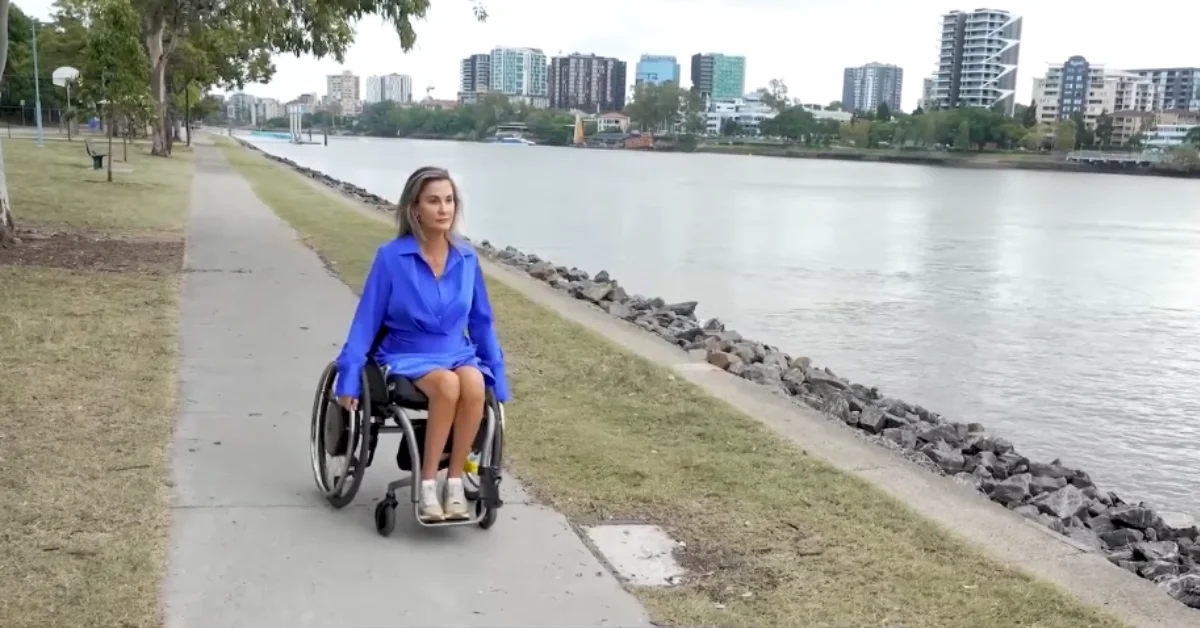
Paralympian and disability advocate Karni Liddell, who previously lived in Kangaroo Point before moving to the Sunshine Coast, has called for better accessibility across Brisbane, saying inaccessible locations can severely limit where she is able to go.
Liddell has advocated for practical infrastructure changes such as ramps and lifts as part of improving access for people with disability across the city.

Her position has centred on independence, with better physical access potentially reducing the need for some people with disability to rely as heavily on support workers when moving between everyday locations.
Greater Independence Through Brisbane Accessibility
Liddell has said many places across Brisbane remain inaccessible to her as a wheelchair user.


Rather than focusing solely on additional personal support, she has argued for physical barriers to be addressed through infrastructure that makes locations easier for people with disability to enter and use independently.

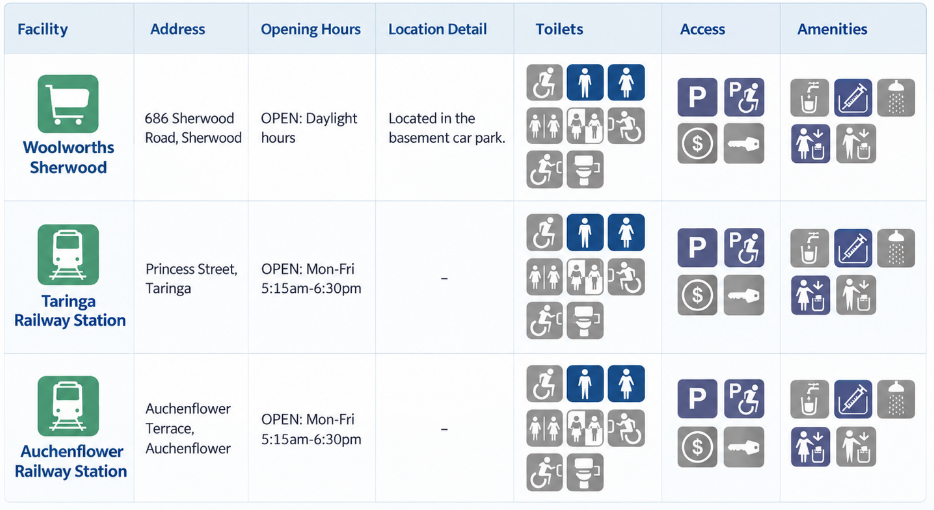
Her connection with Kangaroo Point predates her move to the Sunshine Coast in 2026, where she relocated to be closer to family.
The broader accessibility concerns she has raised apply across Brisbane and cover the ability of people with disability to move through public and community spaces.
Public Facilities Form Part Of Access Picture
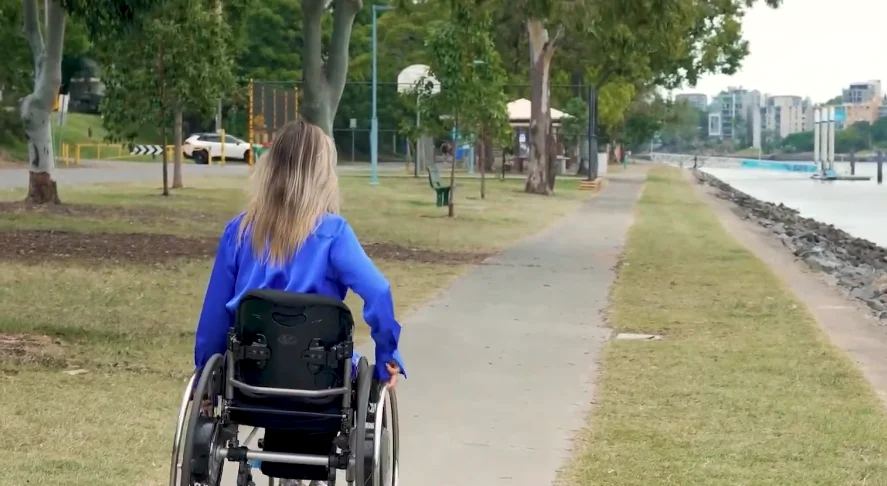
Current Brisbane public toilet data provides one measure of accessibility across facilities used by the community.


BCC’s open data recorded 582 public toilet facilities within its local government area, with 476 listed as accessible and 106 recorded as not accessible.
The dataset also provides more detailed information about the facilities available at each location. It recorded 85 toilets with ambulant facilities, 23 with adult change facilities and 13 identified as Changing Places.
A further 181 facilities were recorded as having baby-change facilities, while 17 had baby-care rooms.
The data covers public and private public toilet facilities listed on the National Public Toilet Map and filtered to locations within the BCC area.
Access Data Updated Daily
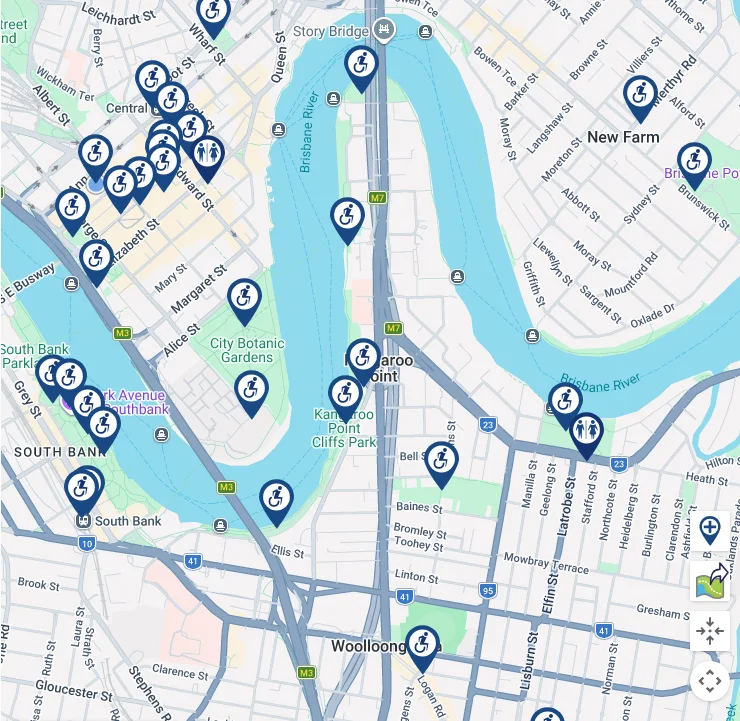
The Brisbane dataset was created using information from the National Public Toilet Map, with details including location and accessibility for people with disability.
The range of accessibility information extends beyond a simple accessible or inaccessible classification. The dataset separately records features including ambulant facilities, adult-change areas, Changing Places facilities, left- and right-hand transfer arrangements and accessible parking.
Liddell’s wider advocacy has focused on physical changes that can allow people with disability to navigate Brisbane with greater independence, with ramps and lifts among the measures she has identified as important to improving access.
Published 2-September-2026