A QUT research team is backing predictive structural monitoring for the Story Bridge in Kangaroo Point to help extend its service life and maintain safety for daily users.
Background on the Kangaroo Point Bridge
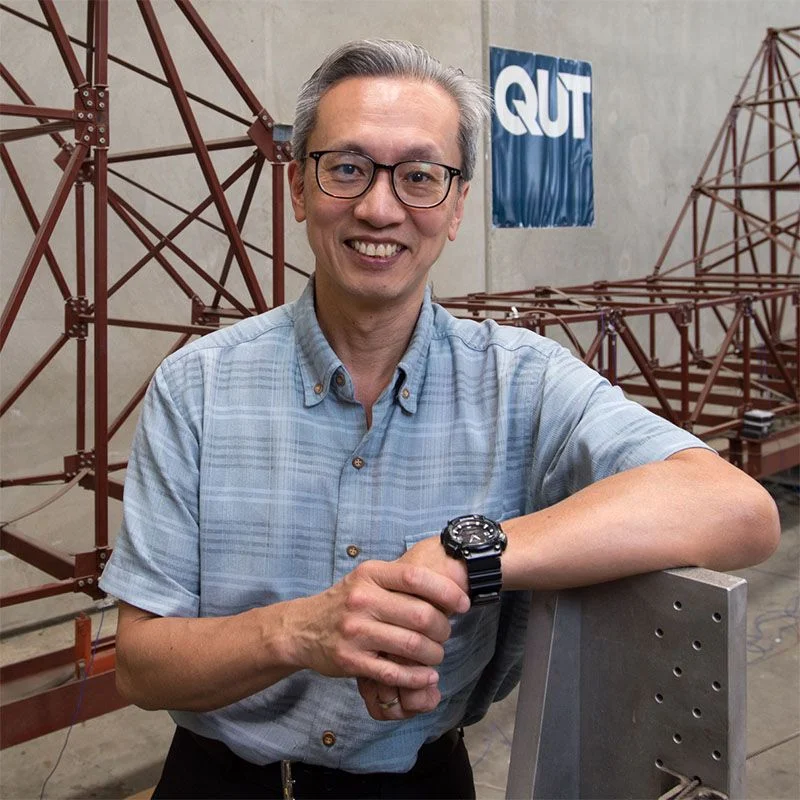
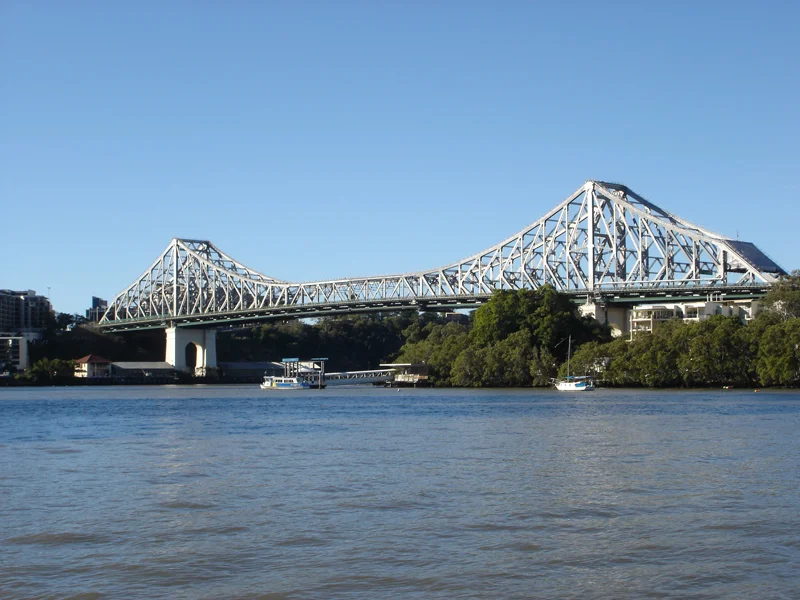
The Story Bridge in Kangaroo Point is 85 years old and remains a vital transport link for Brisbane. QUT researcher Professor Tommy Chan reports that the bridge carries more than 100,000 vehicles and about 4,000 pedestrians each day. Built with a 100-year design life, it now requires major restoration to ensure it continues operating safely, particularly with the Brisbane 2032 Olympic and Paralympic Games approaching.

On Wednesday, 26 November, Professor Chan and his team submitted a proposal to the Australian Research Council seeking $5 million in funding to develop an advanced monitoring system. The submission is supported by $6 million in industry contributions.


Predictive System for Kangaroo Point
The QUT team is working on a data-led structural health monitoring system designed to detect, locate and assess damage across the Story Bridge. Strategically placed sensors would identify deterioration, monitor performance and estimate the structure’s remaining life. This approach aims to shift from fixed inspection cycles to predictive management of the bridge at Kangaroo Point.

The proposal highlights that elements of the bridge can be replaced as needed, allowing the structure to remain functional beyond its original design life.
How The Technology Operates
The system focuses on real-time data collection through sensors positioned at critical points on the bridge. These sensors are intended to provide engineers with detailed information on how the structure behaves, supporting decisions on when and where maintenance is required. The monitoring approach is expected to reduce costs, improve safety and extend asset life by enabling earlier intervention.
Professor Chan has seen similar technology used in Hong Kong. He notes that while Australia’s research capability in this area is advanced, the application of these systems to existing infrastructure has not kept pace with some other countries.


Comparison With Traditional Inspections
Traditional bridge inspections occur on fixed intervals, such as every three months. According to Professor Chan, this method can miss deterioration that develops between inspection dates. Predictive maintenance using continuous or frequent monitoring allows engineers to assess the condition of the whole structure rather than reacting only when visible problems appear.
Expert Context from QUT
Professor Chan specialises in structural dynamics, bridge analysis, system identification, non-destructive damage detection and structural health monitoring, including the use of optical fibre sensors and fatigue analysis. According to his QUT profile, he has received more than $10 million in research funding for projects involving bridge monitoring, intelligent infrastructure systems and related technologies.
Outlook for the Story Bridge
The proposal is aimed at ensuring the Story Bridge can continue serving Kangaroo Point and the wider Brisbane community well beyond its original design life. If the project proceeds, the monitoring system is expected to modernise how the bridge is managed and support its role during the Brisbane 2032 Olympic and Paralympic Games. The next steps will depend on the outcome of the Australian Research Council funding process.
Published 4-Dec-2025